-

 Special Offer
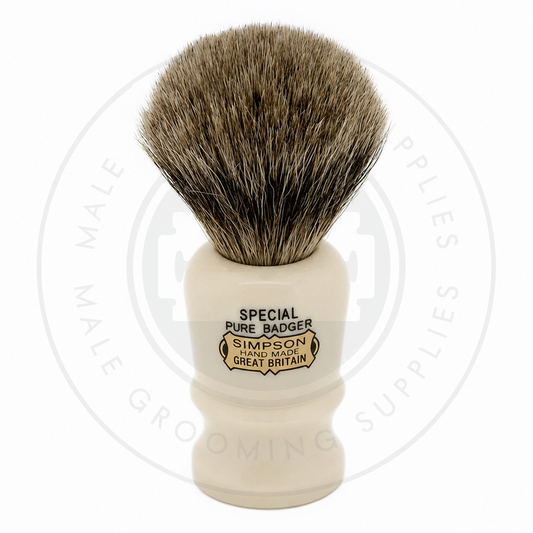
Simpsons 'The Special' Shaving Brush
Regular price From £28.00Regular price£30.20Sale price From £28.00Special Offer -
Omega 'S-BRUSH' Yellow Synthetic Shaving Brush S10018
Regular price £6.95Regular price -
Alexander Simpson 'Farringdon' Boar Bristle Shaving Brush
Regular price £12.50Regular price -
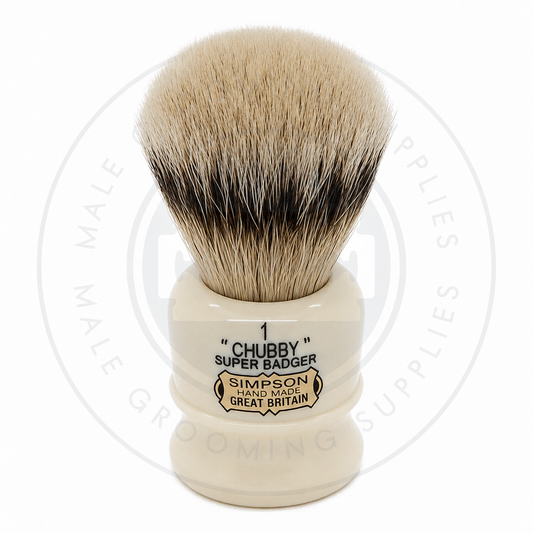
Simpsons 'The Chubby' Shaving Brush
Regular price From £99.95Regular price -

 Special Offer
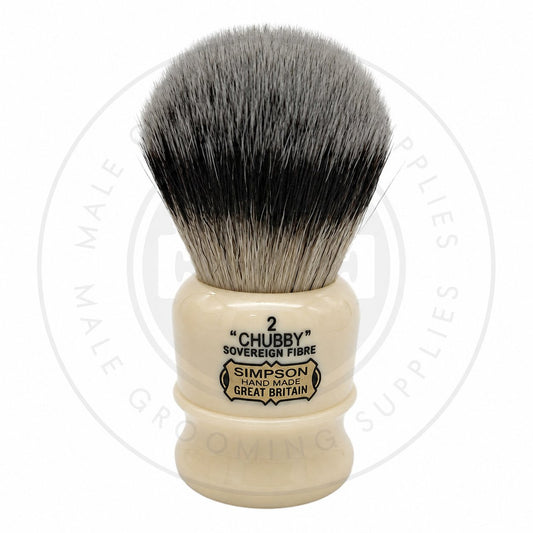
Simpsons 'The Chubby' Sovereign Synthetic Shaving Brush
Regular price From £54.95Regular price£56.95Sale price From £54.95Special Offer -
Muhle MODERN Black Fibre Natural Steamed Ash Shaving Brush
Regular price £19.95Regular price -
 Special Offer
Muhle MODERN Black Fibre Plum Wood Shaving Brush
Regular price £19.95Regular price£22.95Sale price £19.95Special Offer -
Semogue Hereditas 1470 Best Boar Shaving Brush – Dark Beech Wood Handle
Regular price £9.55Regular price -
Semogue Pharos-C3 Pure Black Badger Shaving Brush – Yellow
Regular price £18.35Regular price -
Omega 'HI-BRUSH SERIES' Synthetic Shaving Brush 0140634
Regular price £27.50Regular price -

 Special Offer
Simpsons 'The Case' Shaving Brush
Regular price From £39.00Regular price£43.80Sale price From £39.00Special Offer -

 Special Offer
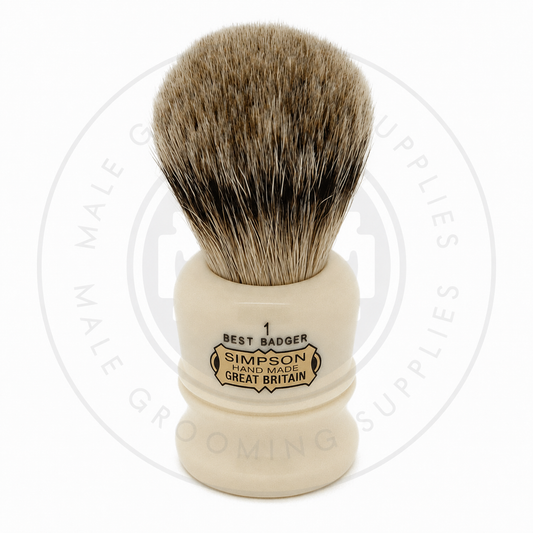
Simpsons 'The Duke' Shaving Brush
Regular price From £72.00Regular price£121.90Sale price From £72.00Special Offer -
Captain Fawcett's Faux Badger Shaving Brush
Regular price £45.00Regular price -

 Special Offer
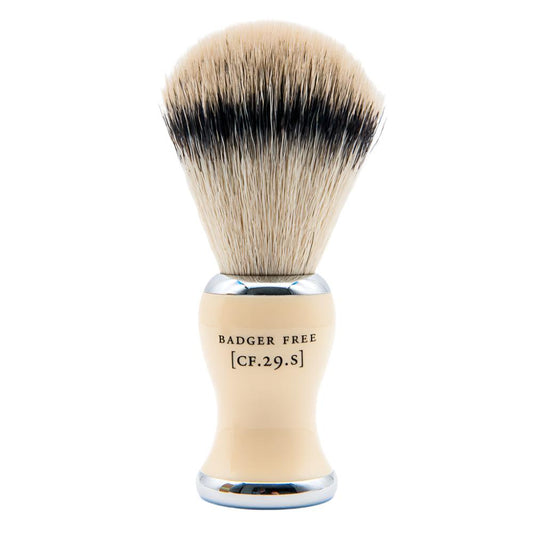
Muhle Classic Silvertip Fibre® Faux Ivory Shaving Brush
Regular price £65.00Regular price£70.00Sale price £65.00Special Offer -
Muhle Modern Black Fibre Red Steamed Ash Shaving Brush
Regular price £19.95Regular price -

 Special Offer
Muhle Travel Shaving Brush - Chrome
Regular price £44.95Regular price£47.00Sale price £44.95Special Offer -
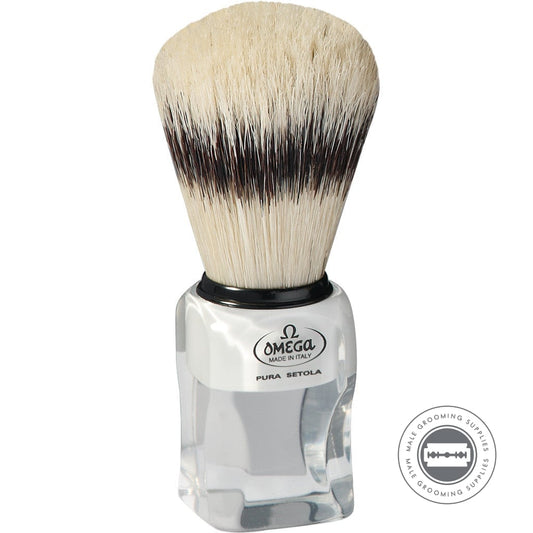
Omega Badger Imitation Hog Bristle Shaving Brush with Plastic Drip Stand 81020
Regular price £21.95Regular price -
Omega Hi-BRUSH Fiber Shaving Brush – CARBON FIBER Effect 46650
Regular price £24.95Regular price -
 Special Offer
Omega Hi-BRUSH “ERGAL” Fiber Shaving Brush 46652
Regular price £39.95Regular price£55.00Sale price £39.95Special Offer -
Semogue 610 Extra Boar Shaving Brush – Black & Clear Acrylic
Regular price £17.50Regular price -
Semogue 610 Extra Boar Shaving Brush – Red & Clear Acrylic
Regular price £17.50Regular price -
Semogue 620 Extra IB Boar Shaving Brush – Black & Clear Acrylic
Regular price £19.15Regular price -
Semogue 750 Best Badger Shaving Brush – Black & Clear Acrylic
Regular price £32.95Regular price£39.15Sale price £32.95Special Offer -
Semogue 820 Extra Boar Shaving Brush – Black & Clear Acrylic
Regular price £18.35Regular price










About Shaving Brushes
Choosing a Shaving Brush
Choose by fibre, size and face feel. Badger brushes are traditional and hold water well, boar brushes can feel firmer and improve with use, horse hair sits in its own natural-hair category, and synthetic brushes are easy to rinse and quick to dry.
Badger, Boar and Synthetic
For classic premium brushes, compare badger shaving brushes from Simpson, Semogue and MUHLE. For more backbone, compare boar and horse hair brushes. For animal-free fibre, use synthetic shaving brushes.
What to Use With a Brush
A shaving brush works with shaving soap, shaving cream and many cream-soap formats. A shaving bowl or mug is useful if you prefer to build lather away from the face.
For drying and tidy storage, compare shaving brush stands and combined razor-and-brush stands, checking handle and knot compatibility before ordering.
Frequently Asked Questions
What type of shaving brush should I choose?
Choose badger for traditional natural hair feel, boar for firmer backbone, synthetic for quick drying and easy care, or a travel brush when compact storage matters.
Do I need a shaving brush for shaving soap?
For most traditional shaving soaps, yes. A brush loads the soap and builds the lather needed for a comfortable wet shave.
Are synthetic shaving brushes good?
Yes. Synthetic shaving brushes are quick to use, easy to rinse and dry faster than many natural-hair brushes. They are a practical option for daily use and travel.
Let customers speak for us
Very stylish and beautiful quality shaving bowl - my days of using cheap plastic containers are well and truly over!

This Simpsons shaving brush is my first 'foray' into high-end shaving items and the amazing difference it has made to my daily shaving routine means I will definitely not be going back to supermarket brushes. I should also mention that, as a first time customer of MGS, their service was impeccable.

First off, let me start by saying that Male Grooming Supplies is fantastic. Sorted the order quickly and efficiently. We'll done.
On to the soap. I love Tabac, you can keep feeding this stuff water and it rewards you with phenomenal slickness and protection. It's not top tier artisan level slickness, but it's definitely not far behind. As I say, dont be shy adding water, you'll love it.

Is a great razor and so shiny 👉😀
Isn’t agressive at all is very efficient.
I’m very happy and I can recommend to a experienced shaver isn’t for beginners.

Henson mild safety razor brilliant purchase
And a fantastic company to buy from

First order from Male Grooming, ordered yesterday and my razor was here this morning 👍. I loaded my favourite Gillette Nacet blade. All I can say is what a great shave with the Henson AL13 mild. Went for mild, although I’ve been using safety razor for many years after dumping cartridge blades. Got angle straight away and after watching a few videos I remember someone saying that due to it being aluminium and lighter than many razors, don’t be tempted to use too much pressure. The 2 day growth for me is quite coarse and it went through it like butter. Anyway, I’m a 2 pass guy so reapplied soap and went across the grain. Fantastic results, no nicks and no irritation. Seen a video on mild v medium and although medium got through growth a little quicker on first pass the results were the same after second pass. For me I would rather have a mild shave with same results after 2 passes. So I highly recommend this razor and also Male Grooming for such a quick turnaround.

Great small case to hold a 34C and a few blades . Brought it to protect my limited edition leather case from 1896 inox set .

Love my 34c and decide I needed the metallic grey option in my collection. Product is perfect and the service was great keeping me informed of delivery.

Absolutely stunning razor in titanium. I chose the mild plate and it gives a wonderfully smooth shave.

Great travel razor , slightly more aggressive than Merkur 933 , also case is larger but does seem like a better quality case than the Merkur .

This razor is designed for travel, but I've added it to my daily rotation.
This is because, in addition to a level of craftsmanship that makes you want to gaze at it every day, it delivers the superb shaving performance you expect.
Although it is not a designated stand for this razor, the 4011 Stand fit perfectly.

Great customer service. The brush I initially selected wasn’t available and the team helped me to choose a perfect replacement and ensured I received it on time. Very good customer service and great selection of high end shaving products. Great place for finding gifts for men.

The best DE razor I've owned. Smooth, and adjustable from very mild upward I don't experience razor burn or nicks with this one. Excellent quick delivery too.


What customers think about the store
Highly regarded for exceptional customer service, fast delivery, and competitive prices. Wide selection of quality shaving products including razors, brushes, soaps, and creams. Customers praise prompt communication, careful packaging, and next-day delivery. K...