
-
Dovo 'Black Star' Pakkawood Straight Razor 5/8"
Regular price £114.95Regular price -
Dovo Blue Aluminium Shavette
Regular price £30.95Regular price -
Dovo 6/8" CARRE Straight Razor – Grenadille Wood & Mother of Pearl
Regular price £150.00Regular price -
Dovo Aluminium & Stainless Steel Shavette
Regular price £33.95Regular price -
Dovo 5/8" Micarta Handle Straight Razor 1055835
Regular price £157.95Regular price -
Parker SRRW Premium Rosewood Barber Razor
Regular price £24.95Regular price -
Dovo 6/8" 'Renaissance' Razor – Carbon Steel & Spanish Oak Handle
Regular price £150.95Regular price -
Dovo Black and Silver Shavette
Regular price £27.50Regular price -
DOVO 6/8" FLOWING Straight Razor – Grenadilla Handle
Regular price £205.00Regular price -
Dovo Polished Stainless Steel Shavette
Regular price £45.00Regular price -
Dovo 5/8 Red Violetwood Straight Razor – Prima Klang Carbon Steel
Regular price £150.00Regular price -
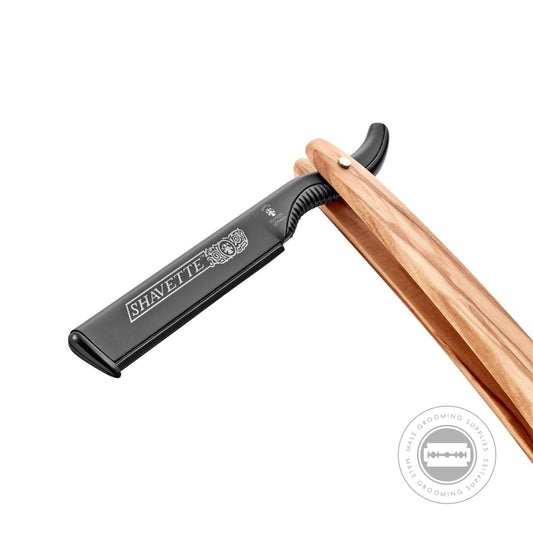
Dovo Olive Wood Shavette
Regular price £39.95Regular price -
Parker PTAWH Adjustable Barber Razor
Regular price £34.95Regular price -
Parker PTABK Stainless Steel Adjustable Barber Razor
Regular price £36.95Regular price -
Parker SRBBA Black Stainless Steel Barber Razor
Regular price £19.95Regular price -
Parker Director CH Non-Folding Barber Razor – Chrome Japanese Shavette
Regular price £25.60Regular price -
Parker PTPBA Pine Wood & Stainless Steel Barber Razor
Regular price £26.95Regular price -
Parker Director BK Non-Folding Barber Razor – Japanese Style Shavette
Regular price £25.60Regular price -

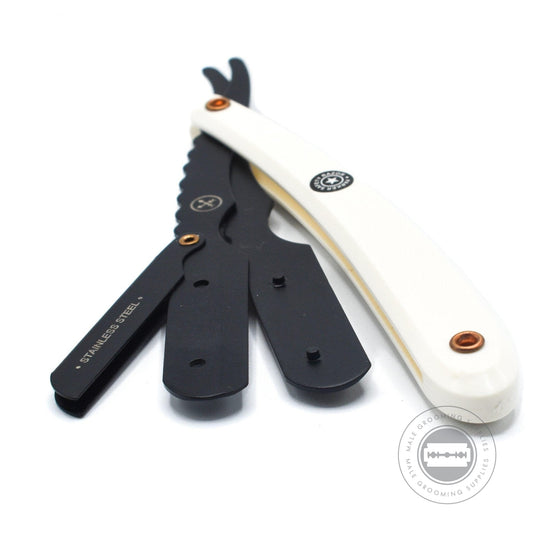 Special Offer
Parker SRWBA Stainless Steel Barber Razor
Regular price £19.55Regular price£24.95Sale price £19.55Special Offer -
Parker SRDW Premium Wood Handle Barber Razor
Regular price £31.45Regular price -
Parker PTBMETAL Black Stainless Steel Barber Razor
Regular price £25.95Regular price -
Giesen & Forsthoff 'Swap'n Shave' Shavette
Regular price £33.50Regular price -
Dovo 5/8" Micarta Handle Straight Razor 105 5865
Regular price £184.95Regular price -
Dovo 'Master's' Straight Razor "6/8
Regular price £161.95Regular price
















About Straight Razors, Cut Throat Razors & Shavettes
Straight Razor or Shavette?
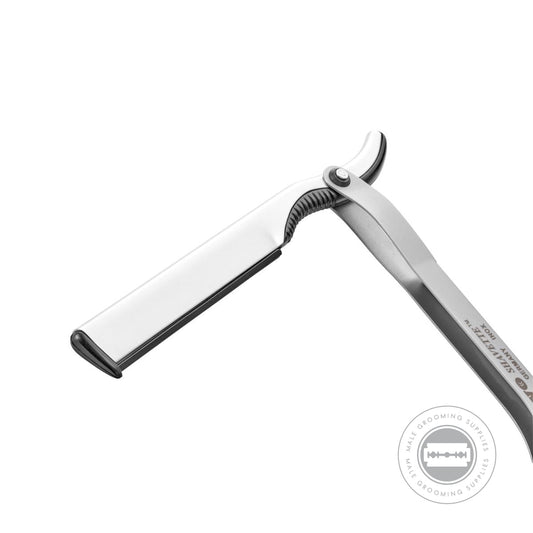
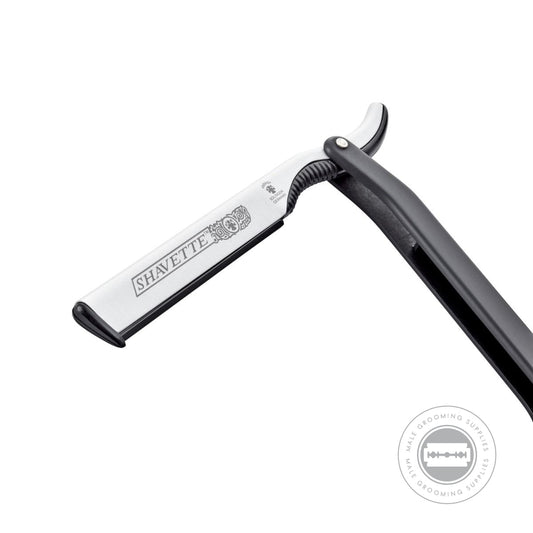
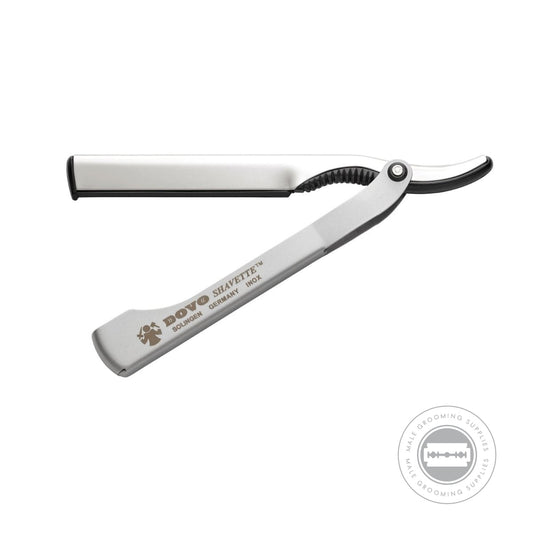
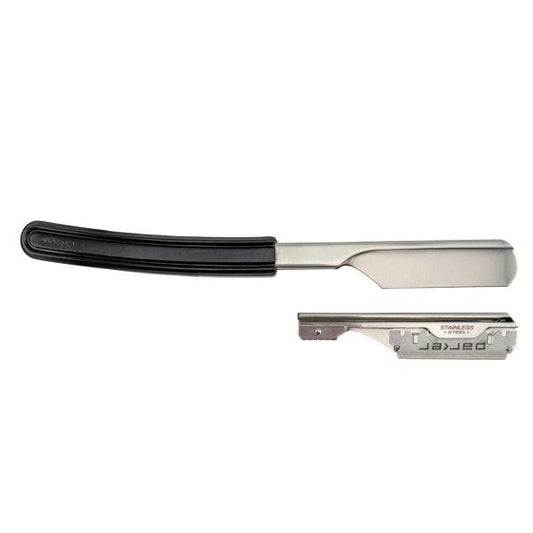
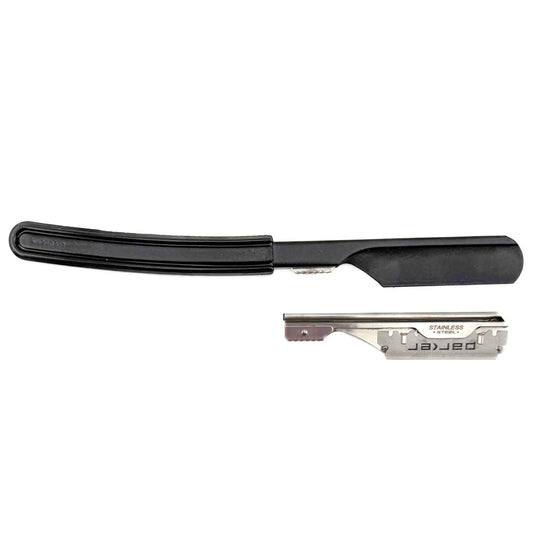
A straight razor, also called a cut throat razor or cutthroat razor, has a permanent blade that needs stropping and occasional honing. A shavette gives a similar open-blade shaving style but uses replaceable blades, making it easier to keep a sharp edge.
For a practical comparison of blade systems and maintenance, read our straight razor vs shavette guide.
Blade Compatibility
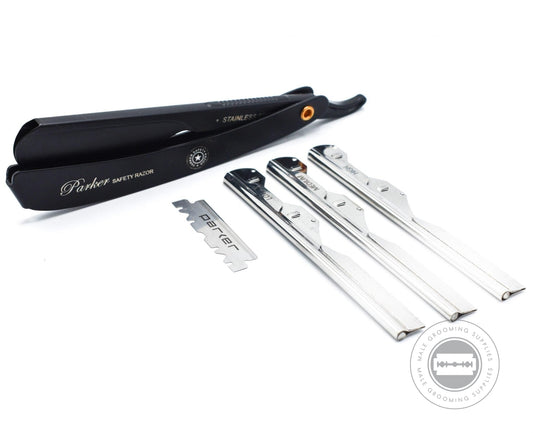
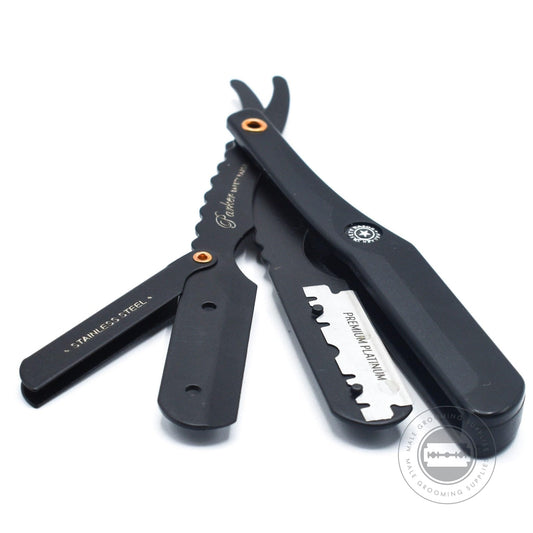
Blade format matters. DOVO and many Parker shavettes use half of a standard double edge blade or a compatible single edge half blade. Feather Artist Club razors use dedicated Artist Club blades, which are longer and not the same as DE blades.
Accessories and Maintenance
Traditional straight razors need maintenance accessories such as strops, pastes and honing stones. For travel or storage, use a suitable case from shaving accessories and cases. Shavette users should keep the correct replacement blades ready before the current blade starts to tug.
Frequently Asked Questions
What is the difference between a straight razor and a shavette?
A straight razor has a fixed blade that is maintained with a strop and occasional honing. A shavette uses replaceable blades, so it is simpler to keep sharp and is often used for barber-style shaving and edging.
Do shavettes use normal double edge blades?
Some shavettes use half of a standard double edge blade, but not all. Feather Artist Club razors use dedicated Artist Club blades, so always check the product page before buying replacements.
Do I need a strop for a straight razor?
Yes, a fixed-blade straight razor should be stropped before shaving to keep the edge aligned. Shavettes do not need a strop because the blade is replaced.
Which open-blade razor is best for beginners?
Many beginners find a shavette easier because there is no honing or stropping. Use a light touch, keep the shaving angle shallow and choose the correct compatible blade for the razor.
Let customers speak for us
Great razor for a beginner, I switched from cartridge razors to the Merkur 34c with astra blades, using Proraso pre shave cream, and with either Proraso or Cella soap. All inexpensive items. I shave every 3 days and the shaves have been very smooth, although it takes a bit longer than using cartridges, it becomes a more enjoyable experience. Less skin irritation. I wish I had switched aes ago. The Merkur is easy to use and goes through 3 days stubble with ease.

Nice brush at a fair price

The rasor is built very solidly and feels stable in the hands. The locking mechanism is also well done with the washer ensuring a tight grip. It feels a little light in my hands but I think there is a much more expensive version which is heavier and even solider.

This is by far my favorite razor. I already own one that I use back at my folks . Such a great Steve I had to get another for my own home. Nicely built and when you get used to it gives a really close shave without the burn. Also was by far the best price buying here.

Great but expensive, feels great in hand and gives a mild but efficient shave , one of my faves.


Soft tips, Slightly above average Backbone, fiber high density, the top area of knot is little small for me

Good razor purchased after advice from the team.
My brother adores these products, and I’m thinking of buying some myself. As a Bradford local it’s a big shame the company closed, so I’m chuffed to stumble across some remaining stock. Thanks for a swift and easy shop.

Very stylish and beautiful quality shaving bowl - my days of using cheap plastic containers are well and truly over!

This Simpsons shaving brush is my first 'foray' into high-end shaving items and the amazing difference it has made to my daily shaving routine means I will definitely not be going back to supermarket brushes. I should also mention that, as a first time customer of MGS, their service was impeccable.

First off, let me start by saying that Male Grooming Supplies is fantastic. Sorted the order quickly and efficiently. We'll done.
On to the soap. I love Tabac, you can keep feeding this stuff water and it rewards you with phenomenal slickness and protection. It's not top tier artisan level slickness, but it's definitely not far behind. As I say, dont be shy adding water, you'll love it.

Is a great razor and so shiny 👉😀
Isn’t agressive at all is very efficient.
I’m very happy and I can recommend to a experienced shaver isn’t for beginners.

What customers think about the store
Highly regarded for exceptional customer service, fast delivery, and competitive prices. Wide selection of quality shaving products including razors, brushes, soaps, and creams. Customers praise prompt communication, careful packaging, and next-day delivery. K...